

Pioneering research and methods to unlock economic growth and prosperity around the world
At the Growth Lab, we push the frontiers of economic growth and development policy research, collaborate with policymakers to design actions, and share our insights through teaching, tools and publications, in the pursuit of inclusive prosperity.
Research
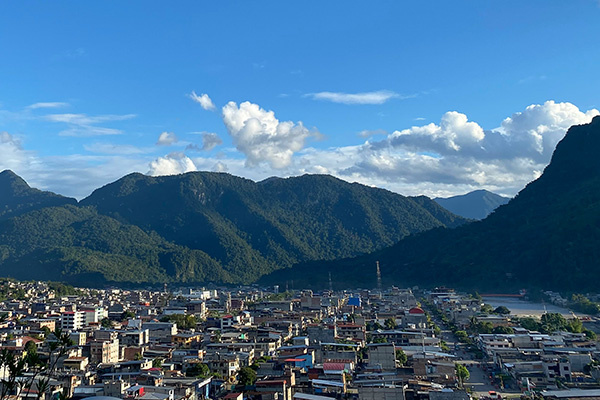
Economic Prosperity in the Amazon Rainforest
Is there a tradeoff between environmental sustainability and economic growth? Our research in the Peruvian and Colombia Amazon identifies opportunities to achieve shared prosperity without sacrificing the forest. The key to growth lies in the neglected cities of the Amazon.
RESEARCH

Sustainable Recovery for Lebanon
Lebanon's current economic crisis ranks among the worst in recent history. GDP has collapsed by 38%, the local currency has lost 98% of its value, and the country suffers from high inflation. Lebanese citizens are unable to access funds in their bank accounts, while the government struggles to provide basic public services. In this new report, we propose a strategy for Lebanon's economic recovery that addresses all the dimensions of the crisis while recognizing the need to rapidly kick-start the economic recovery.
Download Full Report Download Executive Summary Watch Video Summary
Research
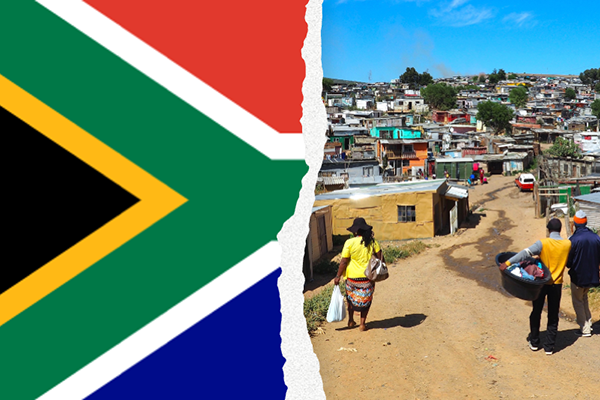
Growth Through Inclusion in South Africa
South Africa is facing severe economic and social challenges, including weak and declining economic growth and the world’s highest inequality and unemployment. This new report is the result of a two-year applied research project by the Growth Lab that worked to understand why South Africa is struggling so mightily to grow its economy and to include more South Africans, now three decades since the end of apartheid. The report offers a path forward.
Download Report Download Summary Watch Video Series Podcast Episodes
How We Work

Academic Research
Our wide range of research falls into three categories – economic transformation, knowledge and technology diffusion, and the coordination of knowhow – and draws on multiple disciplines.

Policy Research
Through country policy engagements, we employ and test various research approaches, tailored to a country, region, or city's specific constraints, opportunities, and capacity.

Digital Tools
We translate research and thoughts into web applications and interactive storytelling, all made publicly available and used by a global community of policymakers, scholars, investors, and journalists.

Teaching
We integrate research insights into master's and doctoral degree curricula at Harvard Kennedy School and executive education curricula for senior economists and policymakers.
Media & Outreach
We engage through seminars, special events, internships, podcasts, op-eds and social media.

Publications
We diffuse insights through working papers, peer-reviewed journals, books, reports, policy briefs, etc.
Where We Work
Impact & Reach in 2023
10
Country-Specific Projects
29
Publications
181
Executive Education Participants
36
Seminars & Talks